Kasir-AI v1
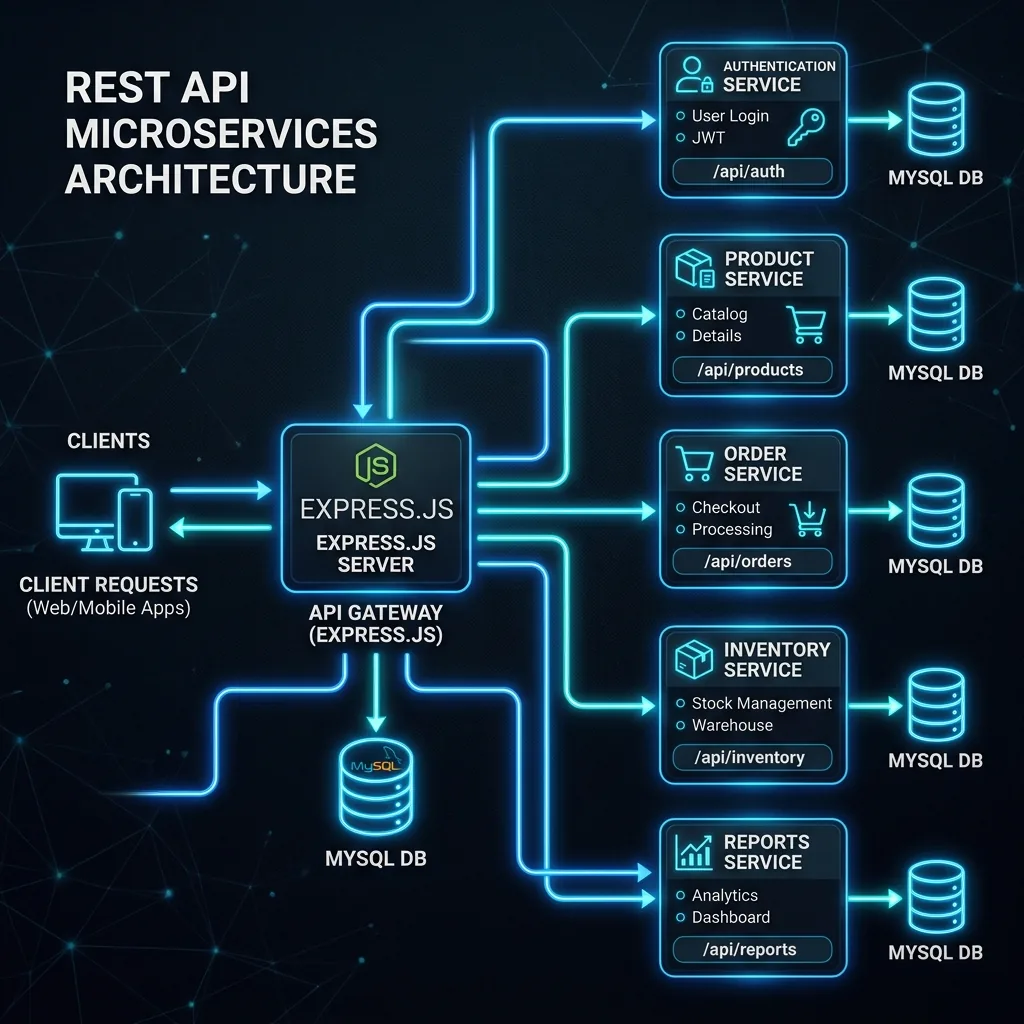
The first generation cashier system - a three-platform monorepo with an Express API, React dashboard, and Flutter app.
- Role
- Sole developer
- Year
- 2026
- Status
- Open source
Context
This is the first public version of Kasir-AI. The goal was simple: prove that a single developer can run products, orders, staff, shifts, and reports from one system instead of spreadsheets.
It is no longer under active development. It stays around as a record of how the v2 architecture came to be — and as an honest comparison between the original plan and the final result.
What’s inside
- Express API with 23 route modules: products, categories, orders, inventory, staff, shifts, branches, expenses, payments, finance reports, staff reports, tax reports, and file uploads.
- MySQL schema with 27 tables, including product variants, ingredients, inventory batches, attendance, staff salaries, and stock adjustment history.
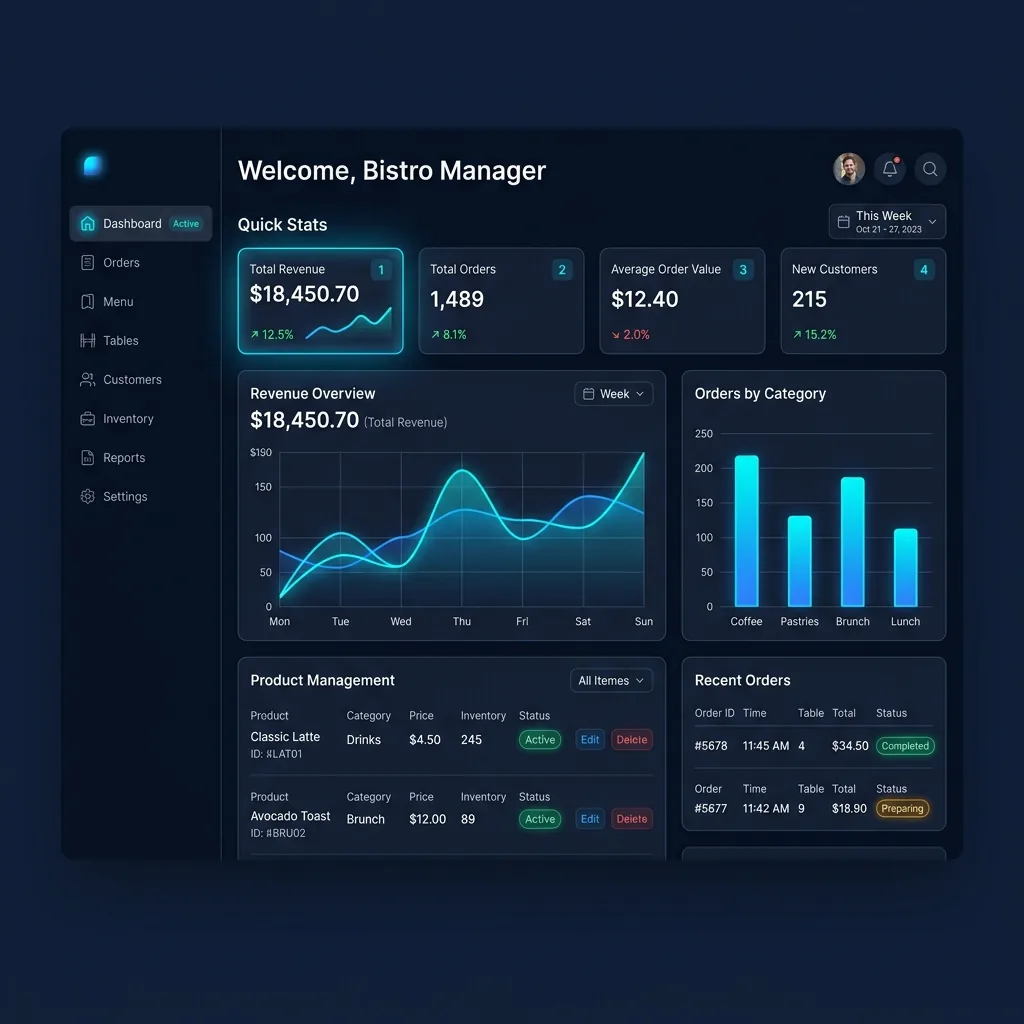
- React dashboard with 15 pages: dashboard, cashier, kitchen, products, inventory, transactions, staff, branches, reports, expenses, settings, profile, open shift, close shift, and login.
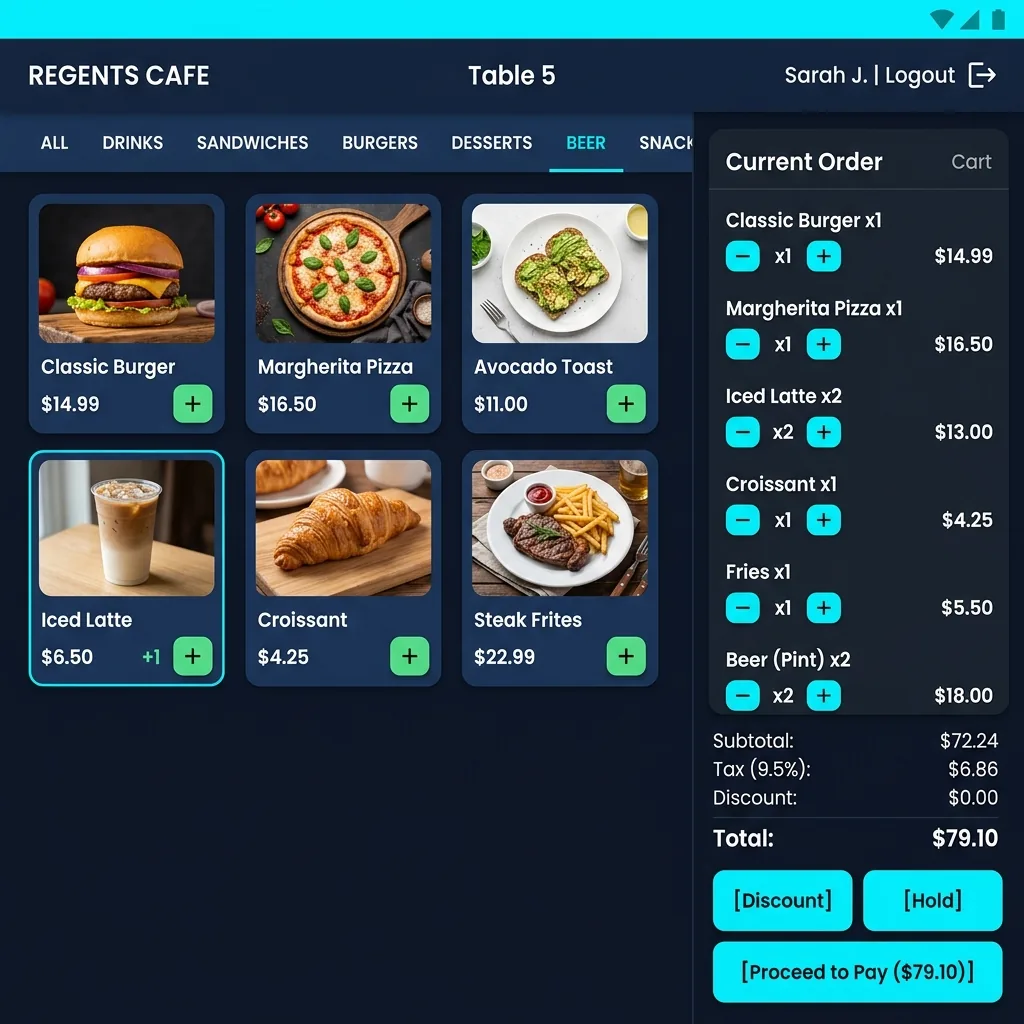
- Flutter app for Android cashier and kitchen devices.
What changed in v2
Many decisions here proved too thin for real use:
| v1 | v2 | Why |
|---|---|---|
| Express + Drizzle | NestJS 11 | Modules, validation, and DI become essential past 20 modules |
| MySQL | PostgreSQL | Stricter transactions, constraints, and money types |
| React + Vite | Next.js 16 | Server components and file-based routing |
| Provider | Riverpod + Drift | Offline-first needs testable state |
| No realtime | Socket.IO | Kitchen tickets must arrive without a refresh |
For those reasons, v2 was rebuilt from scratch rather than patched.
Contribution
The repository is open to read and learn from. The database schema and route modules are the most useful reference points: both show the full shape of a caf— operational domain.
Highlights